
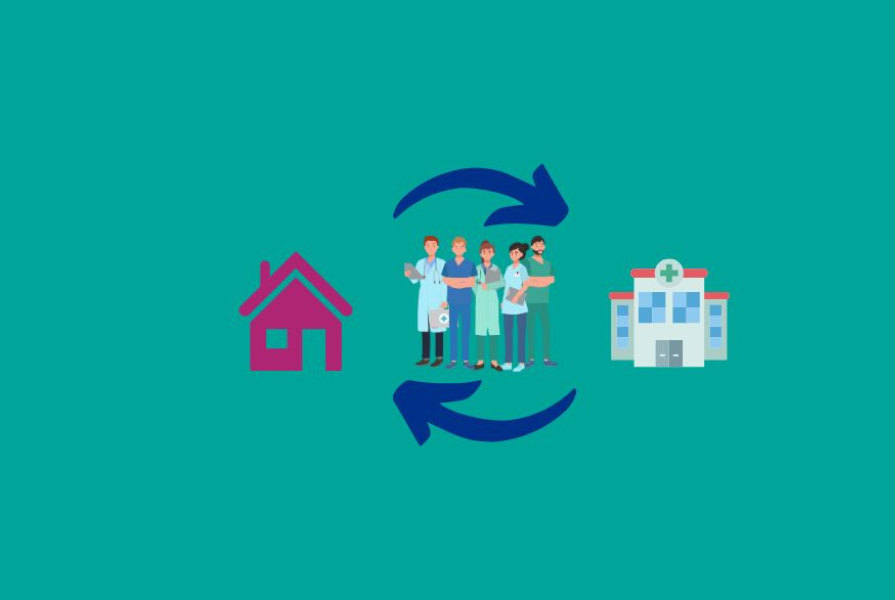
Hospital at Home (also known as virtual wards) allows you to receive the care you need at home safely and easily, rather than being in hospital.
Through the use of a personalised treatment plan and remote monitoring devices, if appropriate, hospital at home (virtual wards) can prevent hospital admissions or enable you to leave hospital sooner to continue your treatment at home. This frees up beds for those who can't be cared for at home.
The hospital at Home (virtual wards) available to you may have different levels of face-to-face contact and offer different types of care and rehabilitation, with some being fully remote. Monitoring devices might include oxygen and blood pressure monitors, apps, telephone calls or video calls via iPads. These all help provide real-time information on your vital signs to a dedicated team of health and care professionals.
Thames Valley ICB has been developing Hospital at Home (virtual wards) over a number of years for people experiencing a range of serious illnesses, including some respiratory conditions, stroke, cancer, frailty or general urgent acute illness, where it is clinically appropriate and safe to do so. We also have Hospital at Home (virtual wards) specially for children, orthopaedics and end of life care.
Research shows that being at home - where a person can see friends, family and pets, practice tasks in their own environment and sleep in their own bed - is better for most people's physical health, mental wellbeing and overall recovery rate than being in a hospital bed. Maintaining independence at home can also reduce the likelihood of needing to be readmitted to hospital.
Patients can be referred to these services by GPs, care homes, community health teams where the person is already receiving care, through NHS 111, via the ambulance service, A&E, or by their inpatient ward.
All patients are assessed by health professionals to understand their needs and receive care and treatment for up to 14 days in their homes, although this may be shorter or longer depending on clinical need and individual circumstances. The range of conditions supported include:
- Frailty
- Heart conditions
- Palliative end of life care
- Breathing difficulties
- Infections
Patients will receive care via teams of multi-disciplinary health professionals including specialist nurses and doctors. The team may visit in person or contact you via the computer or telephone. They may also monitor your condition remotely so they can intervene if required.
Clinical treatments include:
- Injectable fluids and medications
- Oral medications
- Medicines management
- Provision of oxygen
- Physiotherapy / occupational therapy
- Wound care
- Management of lung conditions
- Treatment to support breathing difficulties
Monitoring and tests:
Patients may receive monitoring and tests depending on need including:
- Heart activity
- Breathing rate
- Blood and urine tests
- Oxygen levels
- Infection swabs
- Temperature
Hospital at Home services are delivered by different NHS organisations across the region and may vary slightly depending on where you live.
Berkshire:
- The Royal Berkshire NHS Foundation Trust – delivers Hospital at Home (known locally as Virtual Acute Care Service (VACU) including alcohol withdrawal, pulmonary embolism, COVID-19, joint infection and atrial fibrillation pathways.
- Berkshire Healthcare NHS Foundation Trust – delivers the Frailty Hospital at Home service (known locally as frailty UCR/virtual ward)
- Frimley Health NHS Foundation Trust
Buckinghamshire:
- Hospital@Home - Buckinghamshire Healthcare NHS Trust (buckshealthcare.nhs.uk)
Oxfordshire:
- Oxford Health NHS Foundation Trust - delivers Hospital at Home in north and central Oxfordshire including Hospital at Home, Children’s Hospital at Home (jointly with OUHFT).
- Oxford University Hospitals NHS Foundation Trust – delivers Hospital at Home in south and central Oxfordshire including Hospital at Home, Children’s Hospital @ Home (jointly with OHFT), Acute & Community Palliative/End of Life Care (Community – Sue Ryder Care).
View this animation which describes how hospital at home (virtual wards) work for patients
View this short film from NHS England on how hospital at home (virtual wards) supports people at home
Very kind and caring. I felt the nurse listened to me and gave me the best care.
Excellent service. The staff are very nice and I was so happy that my dad did not have to go into hospital.